
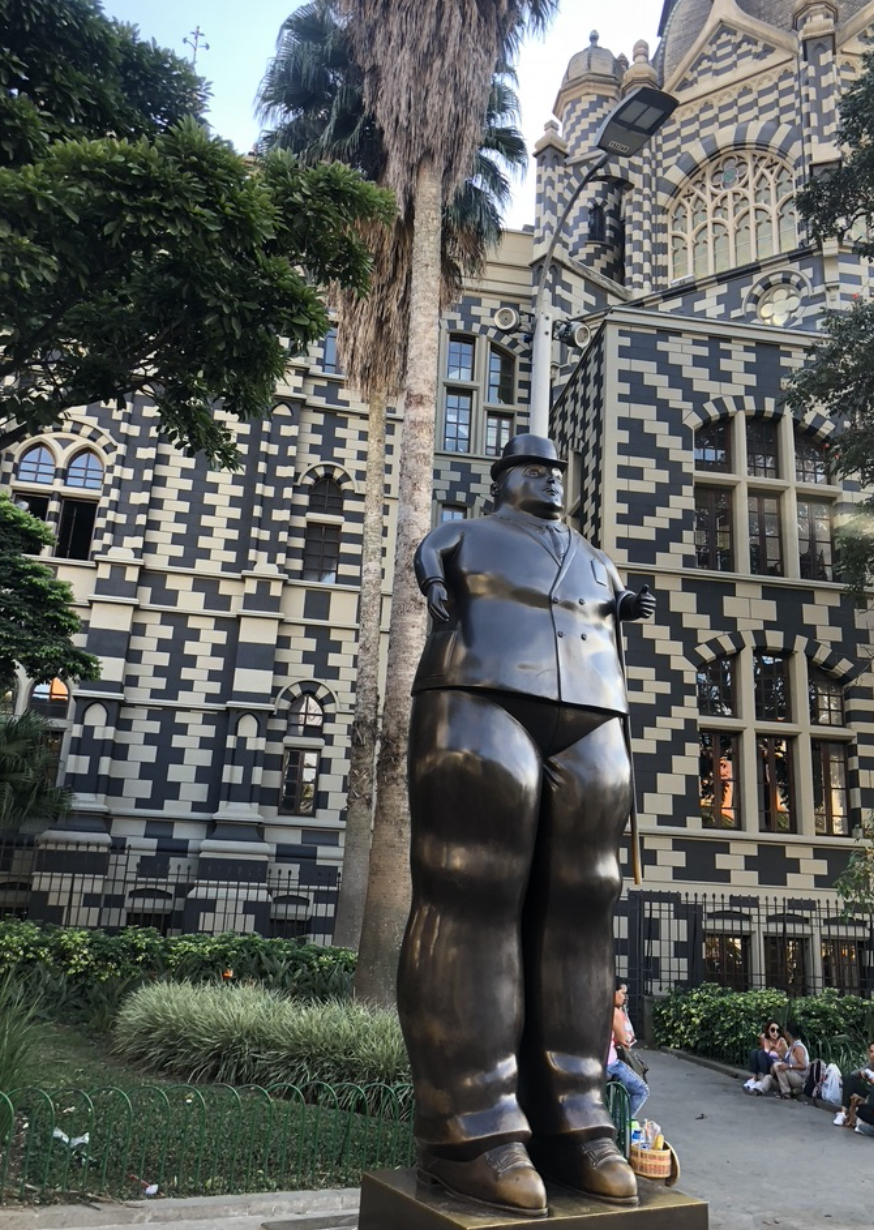
plaza botero
Cities: Medellín & Cartagena
Colombia hums with creativity, a country reborn through art, food, and design. Between Medellín’s mountain energy and Cartagena’s coastal romance, it is a destination that feels both soulful and modern.
I first passed through Bogotá on a quick layover and left unimpressed. But after time in Medellín and Cartagena, and after hearing Gretchen’s 48-hour guide to Bogotá, I realized how much more there is to see.
Bogotá, and why I changed my mind
I passed through Bogotá on a layover the first time and wrote it off, which I now think is the most common mistake people make with Colombia. The city does not introduce itself. You have to go looking, and it rewards that.
It sits at about 8,600 feet, which is high enough that you should plan a gentle first day and drink more water than you think you need. That is not a warning, it is just scheduling.
La Candelaria is the old center and where you start, steep and colored and covered in street art, with the Gold Museum at the bottom of it holding the largest collection of pre-Hispanic goldwork anywhere. Next to it is the Botero museum, which Botero himself gave to the country, and which is free. If you only have a morning in Bogotá, that is the morning.
Usaquén in the north is the other half of the city and the part nobody tells you about. On Sundays there is a flea market worth building the weekend around, and the restaurants there are where people who live in Bogotá actually eat. The dining in Chapinero and the Zona G is as good as anything in the region.
Monserrate, the mountain above the city, is best done early before the cloud comes in, and by funicular rather than on foot unless you have already acclimatized.
Medellín
Once defined by its past, Medellín today feels like a rebirth, creative and green and full of art.
Musts:
Comuna 13 for a guided graffiti walk that tells the story of transformation.
Plaza Botero, home to the city’s most famous sculptures.
Carmen, for one of the best meals in Colombia, modern and layered and unforgettable.
Medellín sits at around 5,000 feet in a valley, which gives it the climate it is famous for, somewhere in the low seventies essentially every day of the year. That means you can plan around the outdoors without checking a forecast, which is rarer than it sounds.
El Poblado is where most visitors stay and where Provenza, the restaurant and bar district, sits. It is polished, it is easy, and on a short trip it is the right call. Laureles is the one I would point you to on a second visit, flatter and greener and far more residential, with a walkable main street and none of the bachelor party energy that has crept into parts of Poblado.
The Museo de Antioquia downtown holds the serious Botero collection and sits on the square with the sculptures, so you can do both in one stop rather than treating Plaza Botero as a photograph and moving on.
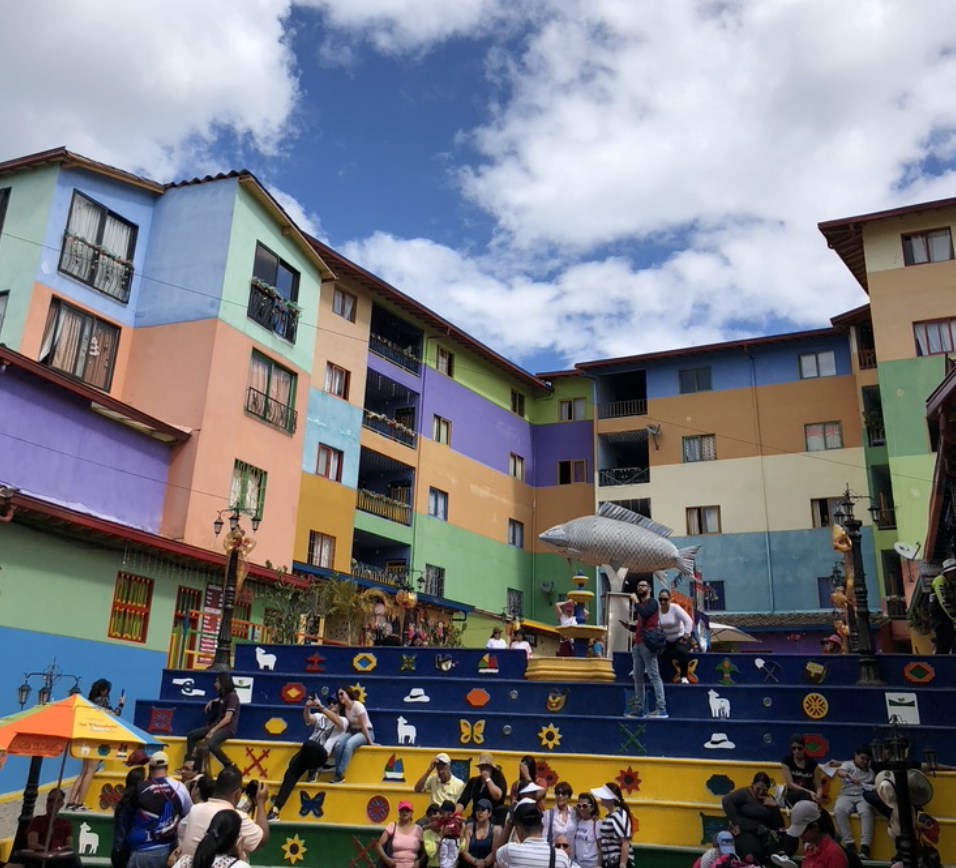
Guatapé is the day trip, about two hours out, and the reason to go is not really the painted village but El Peñol, the granite monolith with several hundred steps cut into a crack in its side. Go early. The light is better and the buses have not arrived.
The full Medellín guide (with rooftop bars, breakfast spots, and day trips to Guatapé) is on Substack.
Cartagena
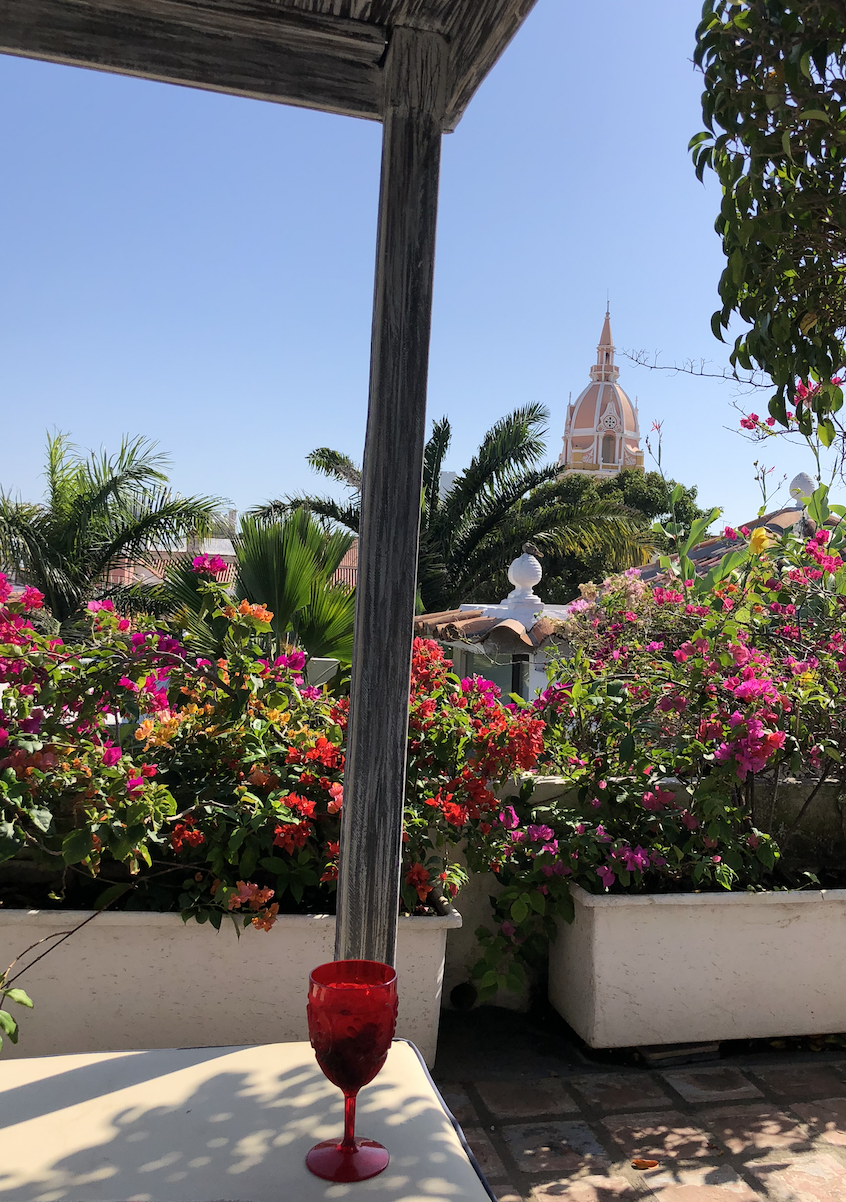
Cartagena feels cinematic, all pastel walls, bougainvillea balconies, and music that spills into every courtyard.
Musts:
The Old City, best explored at golden hour with no agenda.
Alquímico, Colombia’s most celebrated cocktail bar.
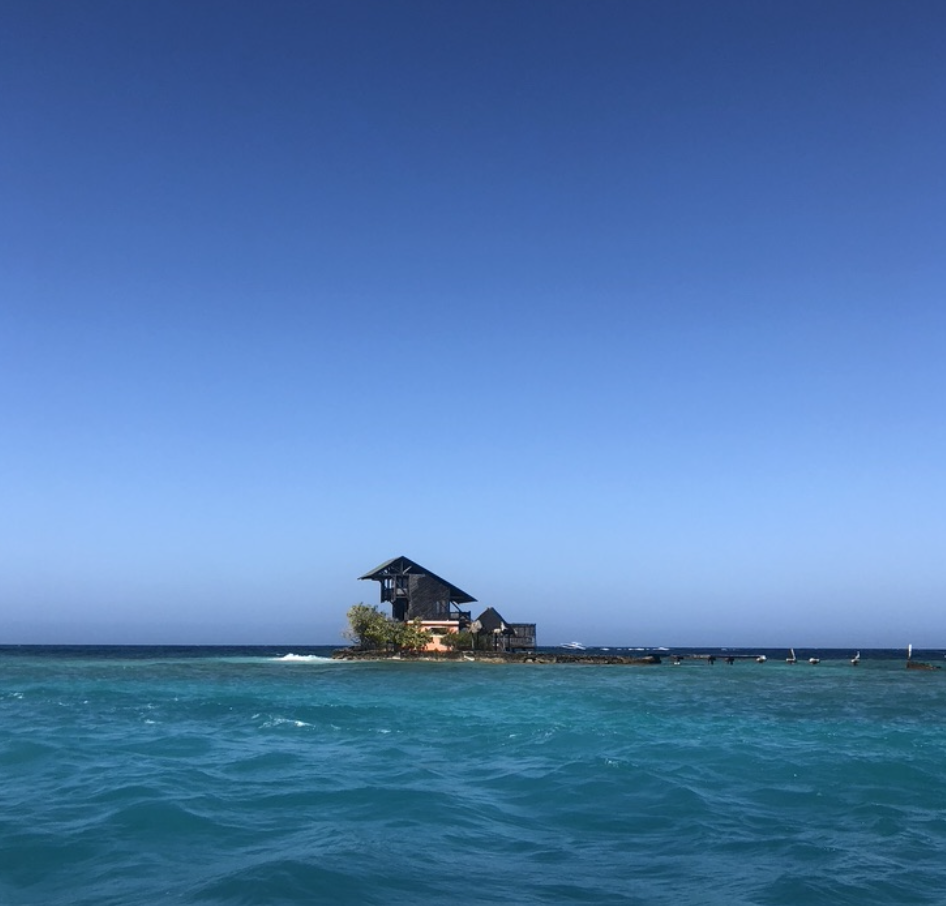
Blue Apple Beach House, for a chic island escape just off the coast.
It is worth being strategic about where you stay inside Cartagena, because the three obvious choices are completely different trips. The walled Old City is the one you have pictured, and staying inside the walls means you can walk out at golden hour with no plan, which is genuinely the best thing to do there. Getsemaní, just outside the walls, is younger and louder and more interesting, with the street art and the bars and the plaza where everybody ends up after dinner. Bocagrande is the high rise beachfront strip, and I would not send you there unless a specific hotel is the reason for the trip.
The heat is the thing to plan around rather than fight. Mornings and evenings outside, the middle of the day inside or in the water.
The Rosario Islands are an hour or so out by boat and they are how you break up the city. A day trip works. A night out there works better, because the islands empty out in the late afternoon when the day boats leave, and that is the good part.
For full hotel recommendations, dining notes, and island-hopping itineraries, read my Substack guide.
If you have more days, the coffee region
Most people do Bogotá, Medellín and Cartagena and fly home, and that is a complete trip. If you have three or four days beyond it, the coffee region is where I would put them.
Salento and Filandia are the two towns, both small and brightly painted, Filandia noticeably less busy. The reason to come is the Cocora Valley, where the wax palms, the tallest palms in the world, stand in cloud on impossibly green hills. It looks invented. It is a straightforward day walk and it is the single most beautiful thing I have seen in the country.
When to go, and how to move between cities
December through March is the driest stretch across most of the country and the most reliable window. July and August give you a second drier spell. The rest of the year is not a washout, it is afternoon rain, which matters less than people assume.
Move between cities by air, not road. Bogotá to Medellín is about an hour in the air and a full day on the ground, and the domestic flights are frequent and inexpensive. The one place a driver earns their keep is the Guatapé day trip and getting around the coffee region.
On safety, the short version is that the cities are more relaxed than their reputation and the ordinary rules apply, which is to say pay attention to which neighborhood you are in at night and do not walk around with your phone out. Nothing about planning Colombia in 2026 requires bravery.
How we book Colombia
Colombia is a country where the sequencing does most of the work, because the three main cities sit at three different altitudes and in three different climates, and the order you take them in changes how the trip feels. Starting high and ending at the coast is almost always right.
If you would rather we just build it, get in touch and tell me how many days you have.
Read the full version:Colombia: A Zelena Travel Guide
(For paid subscribers: includes detailed hotel picks, restaurant lists, day trips, and travel notes.)

Colombia: Color, Culture & Creative Energy
Colombia has a rare vibrancy, where mountain cities pulse with art and innovation, and colonial streets glow with Caribbean light. From Medellín’s creative revival to Cartagena’s timeless charm, it’s a country that feels alive in every sense.
Each visit reveals something new, a rooftop you hadn’t heard of, a beach you never planned to reach, a meal that lingers long after you’ve left.
Ready to experience Colombia your way?
Reach out to start planning
With love, Michelle
